comparison
Currensea vs Revolut: Which One Is Better in 2026?
Independently checkedNo paid placement8 sources citedHow we rate
Disclosure: Some links below are affiliate links — if you open an account through one, we may earn a commission at no extra cost to you. It never affects our rankings; we rank on the researched numbers alone. How we rate providers.
Currensea and Revolut both fix the same problem — your high-street bank quietly skimming ~3% every time you spend abroad — but they fix it in opposite ways. Currensea is a card that sits on top of the bank account you already have. Revolut is a whole new account (and since March 2026, a fully licensed UK bank). Which one is better depends almost entirely on whether you want another account to manage.
Every fee below was checked against the providers’ own pricing and fee pages on 13 July 2026 — sources at the end.
What changed since we first wrote this comparison
This page was first published in April 2025. Three things have materially changed since, which is why the numbers here differ from older reviews you may find elsewhere:
- March 2026: Revolut Bank UK Ltd received its full UK banking licence (PRA and FCA regulated) and began migrating UK customers from the e-money entity to the bank. Once you’re on the bank entity, eligible deposits are FSCS-protected up to £120,000.
- December 2025: the FSCS deposit protection limit itself rose from £85,000 to £120,000 per person, per institution.
- 2026: Currensea restructured its plans into Essential, Pro and Elite — older reviews mentioning a “£25 Premium plan” are out of date.
What is Currensea?
Currensea is a Mastercard debit card for people with a UK bank account. There’s no balance to load: you spend abroad, Currensea converts at its rate, and the sterling amount leaves your existing account by Direct Debit. It works with all major UK banks — Barclays, HSBC, Lloyds, NatWest, Santander, Nationwide, Monzo and more.
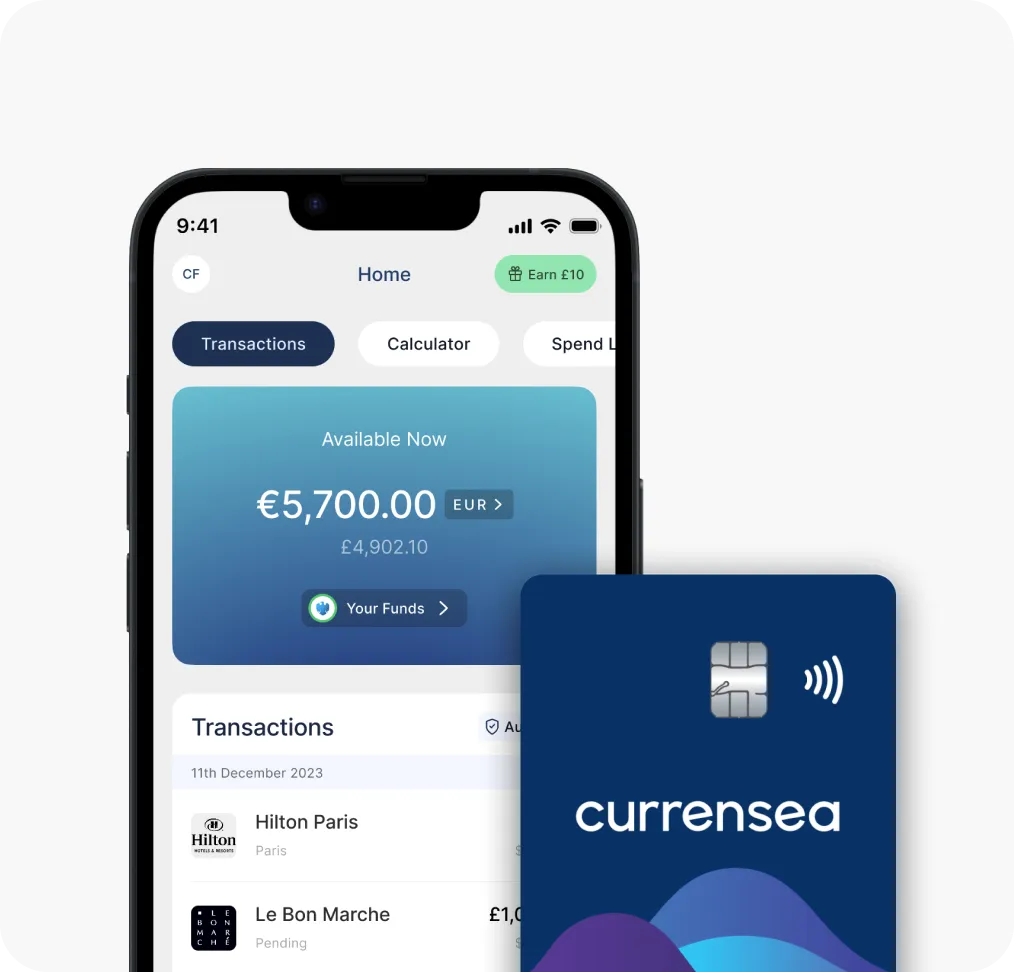
That design is both its pitch and its limit: nothing to top up and no “empty travel card” moment at a foreign checkout — but it can’t hold currencies, receive payments, or do anything else a real account does. We cover it end-to-end in our Currensea review and our Currensea guide for UK travelers.
What is Revolut?
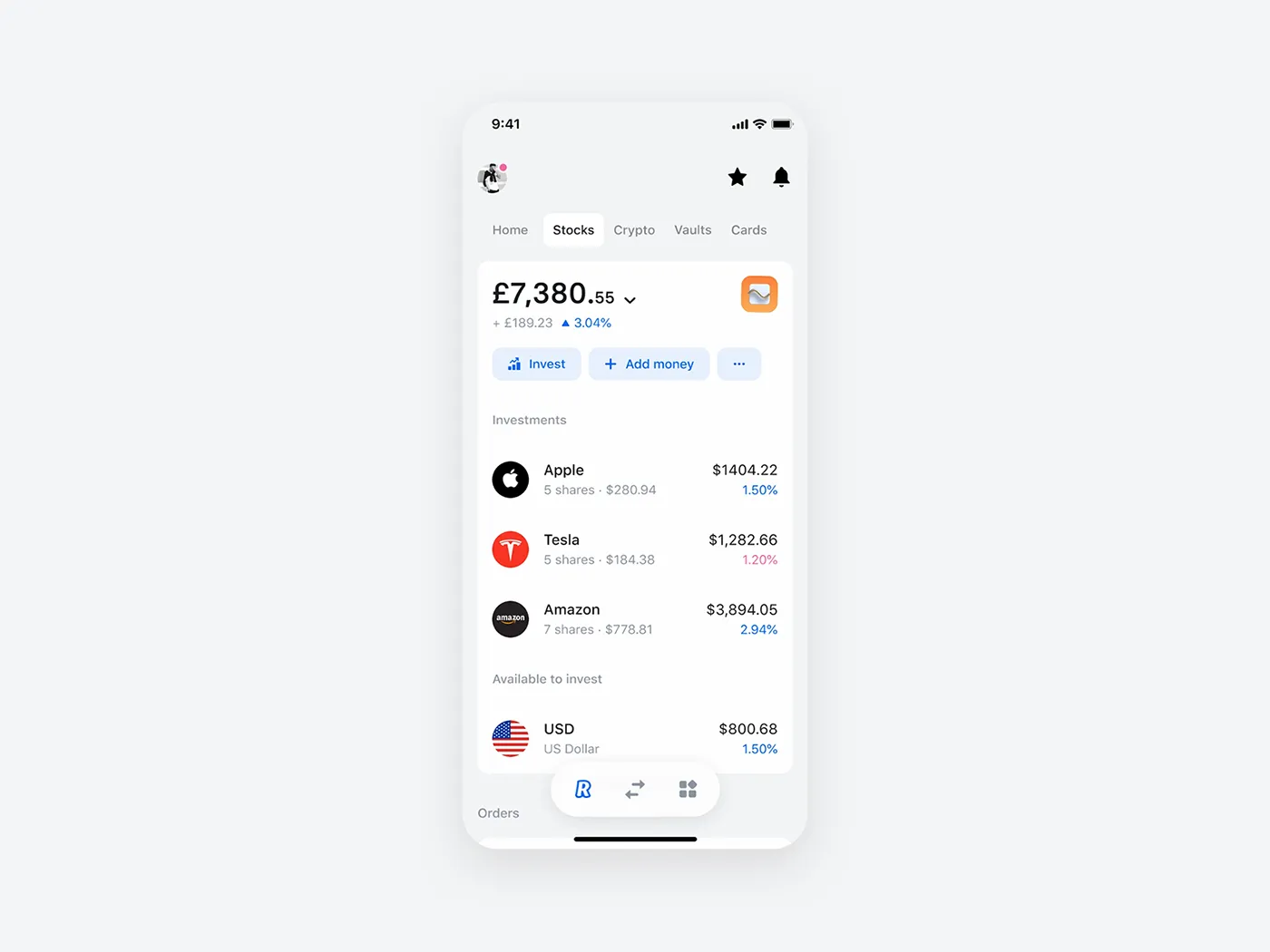
Revolut launched in 2015 and passed 70 million customers worldwide in May 2026, about 13 million of them in the UK. It’s a full financial super-app: multi-currency balances, currency exchange, budgeting, savings vaults, stock and crypto investing, and disposable virtual cards for sketchy websites. In March 2026 it finally became a fully licensed UK bank.
There are five UK plans (Standard, Plus, Premium, Metal, Ultra). To keep the comparison fair, the table below compares the two free plans.
Currensea Essential vs Revolut Standard — the fees (checked 13 July 2026)
| Currensea Essential (free) | Revolut Standard (free) | |
|---|---|---|
| What it is | Card on top of your existing UK bank account | Separate account with its own balance |
| Exchange rate | Interbank + 0.5% on the first £500 of card spend each month, then 1% | Revolut’s rate with no markup up to £1,000 of exchange a month, then a 1% fair-usage fee |
| Weekend spending | Same 0.5% — no weekend surcharge | +1% markup on exchanges from 17:00 Friday to 18:00 Sunday (New York time) |
| ATM abroad, fee-free | £200/month, then 2% | 5 withdrawals or £200 per rolling month (whichever first), then 2% (min £1) |
| Top-up needed? | Never — settles by Direct Debit | Yes — you spend what you’ve loaded |
| Holds your money? | No — money stays in your own bank | Yes — FSCS £120,000 once your account is migrated to Revolut Bank UK Ltd |
| Who can get it | UK bank account holders only | UK and 40+ countries |
Both providers also sell paid tiers that remove their free-plan limits: Currensea Pro (£39.95/yr — 0% markup, unlimited fee-free spend) and Elite (£150/yr), Revolut Plus through Ultra (higher exchange allowances, no weekend markup from Premium up).
The three differences that actually decide it
1. Where your money lives. With Currensea, it never leaves your bank — there’s nothing to load, and nothing held by a fintech. With Revolut you move money in first. Since the March 2026 banking licence this is less of a safety gap than it used to be, but it’s still an extra account to manage.
2. The weekend fee. Currensea’s 0.5% markup is flat, every day. Revolut Standard’s 0% weekday rate flips to a 1% markup from Friday evening to Sunday evening — and holiday spending is heavily weekend-shaped. A £600 hotel bill paid on a Saturday costs ~£6 extra on Revolut Standard, ~£3 on Currensea Essential.
3. What else you get. Currensea is deliberately just a card. Revolut is an entire app ecosystem — currency holding, budgeting, vaults, investing, disposable virtual cards. If you’ll use those, Revolut earns its complexity; if you won’t, Currensea’s simplicity is the feature.
Which one should you get?
Get Currensea if you’re a UK resident who travels a few times a year and mainly wants card spending abroad to stop costing 3%. Connecting it takes about two minutes and changes nothing about how you bank. Check Currensea
Get Revolut if you want one app for holding, exchanging and spending multiple currencies — or you’re outside the UK, where Currensea simply isn’t available. Frequent weekend spenders should price in the markup or a paid plan. Check Revolut
Get both if you want the cheapest of each world: Currensea for weekend/holiday card spend from your main account, Revolut for weekday exchange and its feature set. Both free plans cost nothing to hold.
Both companies score well with users — check the live Currensea Trustpilot page and Revolut Trustpilot page rather than trusting any review site’s screenshot (including ours).
If your real problem is bigger than card spending — receiving foreign client payments, invoicing across borders — start from our hub guide, Get paid and spend across borders, or the freelancer-focused Wise vs Revolut vs N26.
Sources
All checked 13 July 2026:
- Currensea — plans and pricing
- Revolut — Personal Fees (Standard)
- Revolut — currency exchange fees and limits
- Revolut — “Revolut Launches UK Bank” (March 2026)
- Revolut — customer milestones
- FSCS — check your money is protected
Fees change. Before opening either account, confirm the current numbers on the pricing pages above — and if you spot something outdated here, tell us and we’ll fix it.